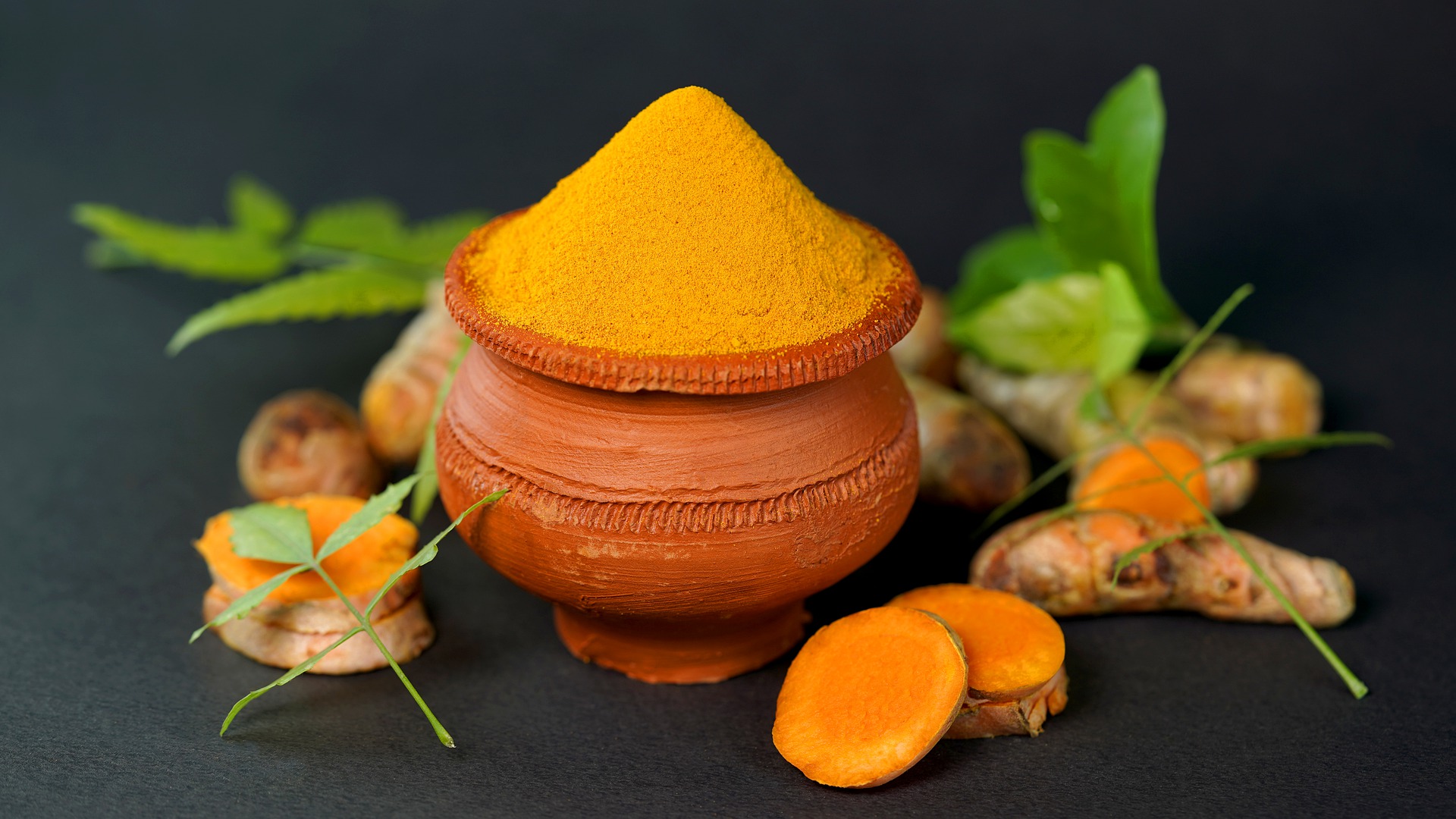
How can you improve your health? The answer to this question might be the spice in your kitchen cabinet. Turmeric, also known as Curcuma longa and Indian saffron, is a root vegetable from the ginger family that is often consumed for its anti-inflammatory and antioxidant properties, as well as its ability to improve digestion. Curcumin, a chemical in turmeric, is believed to have many health benefits. Although many people have used turmeric as a food condiment for the past 4,000 years, turmeric has played an important role in medicine too! Today it continues to be researched as an alternative medicine for many common diseases, injuries, and chronic diseases.
Not only savory cooking, turmeric or turmeric is a spice that also has a variety of health properties. You may already be familiar with the benefits of turmeric to relieve indigestion. What are the benefits? Come on, find out!
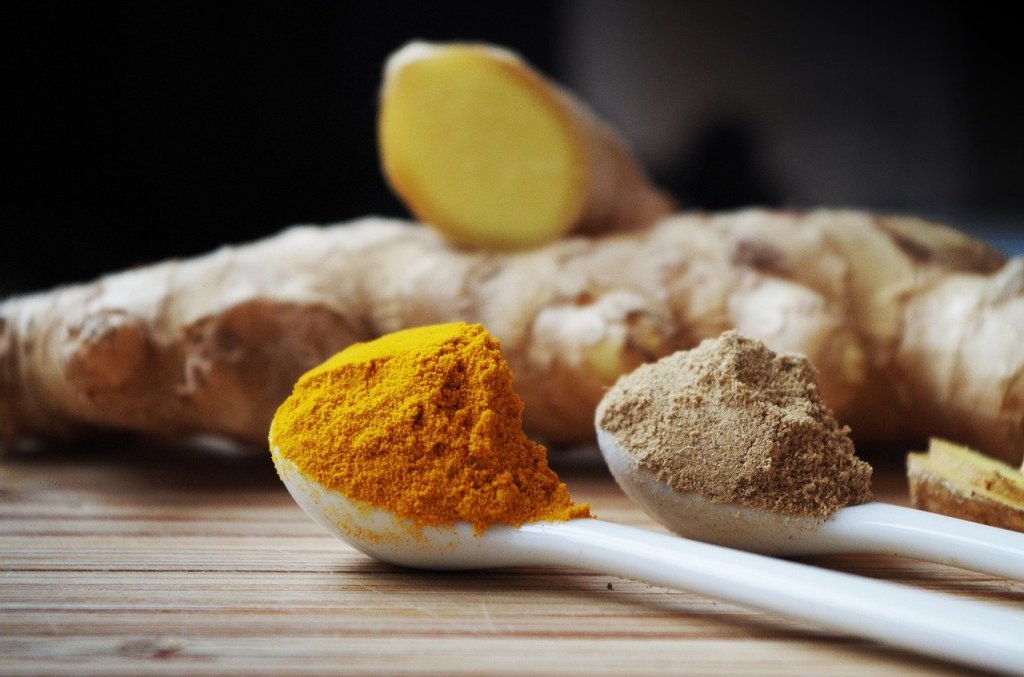
benefits of turmeric for health
In addition to helping to overcome digestive problems, turmeric also has other properties that you may have never imagined before. From reducing inflammation to snake venom, the following are the benefits contained in turmeric:
1. Relieve inflammation
The active ingredient of curcumin in turmeric is an antioxidant that contains potent anti-inflammatory effects. There are about 200 milligrams of curcumin in a teaspoon of finely shredded turmeric or its powdered version.
Curcumin is believed to work to block the work of cytokines and enzymes that cause inflammation in the body. Curcumin also works to reduce inflammation by decreasing histamine levels while increasing natural cortisone production in the adrenal glands.
Starting from there, various preclinical test results from The AAPS Journal reported the promising efficacy of turmeric for various inflammatory-related diseases. Starting from cancer, cardiovascular disease, acute coronary syndrome, arthritis, atherosclerosis, and diabetes.
However, so far there has not been a single large study that has been able to verify evidence of the anti-inflammatory properties of turmeric in humans.
2. Treat ulcers
Turmeric has long been popularly used as a natural digestive disorder drug. So when heartburn symptoms recur, there is no harm in brewing a cup of warm turmeric tea to relieve the pain.
Stomach ulcers can appear triggered by the emergence of wounds in the stomach due to H. pylori bacterial infection, long-term consumption of painkillers, cigarette poisons, alcohol, and certain foods. These things can erode the lining of the intestinal wall and esophagus, triggering reflux of stomach acid.
Well, research from the journal Pharmacognosy Reviews looked at the effects of curcumin treating inflammation due to wounds and protecting the stomach from these irritants by increasing the production of gastric mucus.
In addition, an article in the journal Systematic Reviews says turmeric helps reduce the frequency of recurrence of heartburn symptoms. Because curcumin in turmeric also works to control the production of excess stomach and bile acids
3. Deflating flatulence
Discard gas (fart) is a sign of your digestion is fine, but if it is excessive? There is something wrong with your stomach.
Curcumin helps the muscles of the digestive organs to keep moving smoothly as they should to reduce the gas pressure in the stomach. Turmeric also helps the stomach stop the production of excessive acid which causes flatulence.
4. Relieve symptoms of IBS (irritable bowel syndrome)

Irritable bowel syndrome (IBS) is inflammation of the large intestine that causes long-term bowel problems. If the inflammation makes the intestinal contractions twitch too often, the result is chronic diarrhea. Conversely, if inflammation makes the intestinal muscles rarely contract, the result is chronic constipation.
Summing up a number of different studies, turmeric is said to be safe and easily tolerated for people who have IBS. Research from Singapore published in the Journal of Clinical Medicine in 2018 shows turmeric reduces the intensity of abdominal pain caused by IBS symptoms.
The same research also found the benefits of turmeric to balance the colonies of good bacteria in the intestine.
In addition to the problem of diarrhea due to IBS, turmeric is also useful for overcoming diarrhea caused by food poisoning. The content of magnesium and potassium in turmeric helps fight dehydration and balances body fluids that are drained due to diarrhea.
5. Reducing nausea
When blended with black pepper powder, turmeric is said to be effective in relieving nausea than when consumed alone. Interesting, right?
A study in the journal Food in 2017 proved that adding black pepper helps the benefits of this yellow spice to be more optimal. Because actually after consumption, the curcumin content in turmeric is slowly absorbed into the bloodstream. This is what makes you lose the benefits of turmeric itself.
Well, the study shows that piperine in black pepper increases the absorption of curcumin up to two thousand percent faster into the blood so it is ready for use by the body. Piperin also slows the breakdown of curcumin by the liver so that it lasts longer in the blood.
6. Relieve menstrual pain
Indonesian women may be very familiar with acid turmeric herbs that can help relieve menstrual pain (PMS). Apparently, these benefits are not just advice from ancestral heritage, you know!
The content of curcumin turmeric has a natural pain reliever (analgesic) that works by relaxing the uterine contractions that cause stomach cramps. In addition, curcumin also reduces the flow of calcium ions into the uterine epithelial cells and reduces the production of prostaglandins, hormones that create pain and inflammation.
The benefits of turmeric are further strengthened by the antioxidant effects of tannins, saponins, sesquiterpenes, alkaloids, and phlobotamin from Javanese acids which soothe uterine contractions. Even so, some experts advise women who have heavy menstrual bleeding not to consume turmeric.
7. Lose weight

Turmeric curcumin functions to suppress the inflammatory response in body cells, including pancreatic, fat, and muscle cells. This reaction can help reduce insulin resistance, reduce blood sugar levels, and cholesterol and other metabolic disorders due to excess weight.
However, again the benefits of turmeric can be obtained if you combine it with tamarind. Because consumed alone, turmeric is slowly absorbed into the blood but is broken down faster by the liver so the body doesn’t feel much of its benefits.
8. Controlling blood sugar

If you have diabetes, it doesn’t hurt to try to use natural remedies to control blood sugar to remain stable. One that you can try is turmeric. A review study published in 2013 showed curcumin can reduce blood glucose levels.
Other studies have shown that turmeric extract supplements help improve insulin function, stabilize blood sugar levels, and make diabetes symptoms easier to handle. This then helps reduce the risk of diabetes-related complications caused by inflammation.
However, more clinical trials are needed to ensure the benefits of turmeric for diabetes.
Benefits of white turmeric for health
Psstt … Did you know besides turmeric whose flesh is orange, there is also white turmeric? White turmeric or zedoaria (Curcuma zedoaria) has a different substance than orange turmeric, so the health benefits may also be different.
Here are the various benefits of white turmeric that you should know:
1. Fight infection

White turmeric is reported to be an effective study against diseases caused by fungal or bacterial infections. Starting from diarrhea and food poisoning due to E. coli infections, skin infections such as boils and cellulitis due to Staphylococcus aureus bacteria, and Candida fungal infections that cause canker sores, UTIs, and vaginal yeast infections.
White turmeric extract also has properties against bacteria that cause bad breath. In fact, the effect is almost equivalent to that shown by market mouthwash.
2. Natural allergy medicine

White turmeric contains curcuminoids compounds which are useful as anti-allergic and proven to be able to overcome the symptoms of allergic reactions on the skin. Turmeric works like an antihistamine to inhibit the activity of proteins that cause inflammation and prevent the release of histamine, a chemical that triggers an allergic reaction.
3. Inhibits cancer metastasis

Many previous studies support the benefits of white turmeric as a traditional cancer treatment, especially breast cancer, cervical cancer and colon cancer. A 2014 study found that curcumin in white turmeric oil works to inhibit the proliferation of malignant tumor cells that cause breast cancer.
Other laboratory culture tests show that curcumin in white turmeric inhibits the growth of cancer cells and causes it to deflate. This effect helps stop the process of spread of cancer, aka metastasis.
However, these benefits still need to be further investigated so that people do not consume carelessly turmeric.
4. Maintain digestive health
Essential oils from white turmeric are reported to be beneficial for treating various digestive disorders. For example, colic, muscle cramps, intestinal worms, flatulence, rarely bowel movements, and decreased appetite due to bitter tongue.
White turmeric also helps relieve intestinal inflammation triggered by excessive stress.
5. Antidote snake bite poison

Many medicinal plants are recommended for treating snakebites. One of them is white turmeric.
Turmeric is effective in neutralizing snakebite poison because the extract works to inhibit the activity of snake venom in the blood. This will ultimately reduce the effects of internal bleeding which can be fatal.
6. Pain reliever
The analgesic nature of turmeric is somewhat stronger than aspirin to relieve pain due to toothache, headaches, fever, to joint pain due to rheumatism and arthritis. The benefits of joint pain relief from turmeric especially comes from the content of diuretics.
White turmeric can also be used to protect the lungs of asthmatic patients by relieving inflammation in the bronchi that causes the airways to narrow.
Benefits of turmeric for skin beauty
Besides being good for body health, turmeric also has great benefits for treating skin beauty. Antioxidants in turmeric make the overall appearance of the skin appear brighter and younger. The easiest way to obtain these benefits is to mix natural masks.
The following are the choices of recipes for turmeric mask for beauty:
1. Turmeric turmeric mask
Turmeric may indeed be rarely treated as body treatment therapy. However, turmeric masks can be a natural way to remove blackheads on the face. Well so as not to stain the skin or your clothes turn yellow, choose the type of turmeric turmeric.
How to make castor turmeric masks:
Uleg or blender some turmeric turmeric segments until smooth.
Take one tablespoon of turmeric that has been crushed, then mix with a little coconut oil. Mix well until the texture is like pasta.
Apply to the face that has blackheads, let stand for 10 minutes
Gently massage in the T zone (forehead, nose and chin)
Rinse with warm water and do a routine to prevent blackheads from coming back.
2. Turmeric and papaya masks
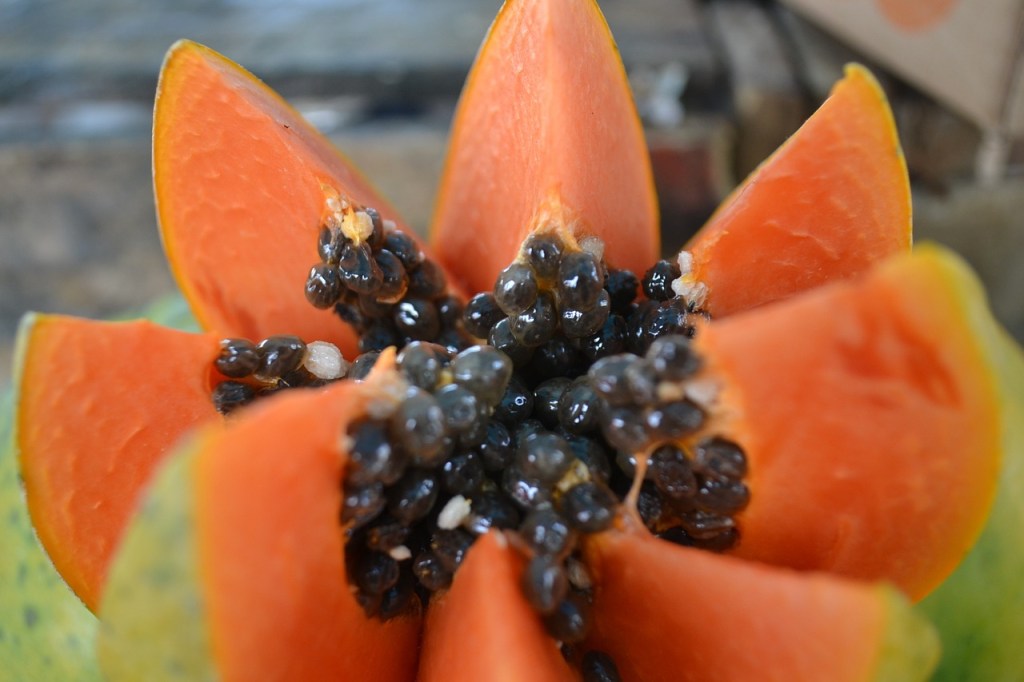
Papaya masks are suitable for all types of skin, including sensitive skin. Raw papaya contains an enzyme called “papain” which can help minimize the growth of fine hair by breaking down the follicles where hair grows.
Now, to relieve inflammation due to the breakdown of hair follicles, mix mashed papaya with one tablespoon of crushed fresh turmeric. This home treatment is also useful for removing dead skin cells and restoring skin elasticity.
How to make it as follows:
Peel the raw papaya and cut it into small pieces
Mash the papaya into a coarse mixture
Take 2 tablespoons of mashed papaya mixture and mix with 1/2 tsp turmeric powder. Stir well.
Apply the mask on the face and other desired parts of body.
Gently massage the mask-coated skin for 15-20 minutes, then rinse with water
Repeat the procedure 2-3 times a week to get the best results.
3. Turmeric masks and yogurt
The benefits of turmeric are not just to shrink pores and make skin tones brighter. If you are prone to breakouts and have lots of stubborn acne scars, a turmeric yogurt mask can be a mainstay.
The anti-inflammatory and antibacterial properties of these two natural ingredients can help reduce pimples and also reduce the resulting scars.
You can mix turmeric and yogurt masks for your face in the following ways:
Take 2 teaspoons of turmeric powder, 4 tablespoons of plain cold yogurt, and honey
Mix yogurt and turmeric powder until the yellowish color is evenly distributed in bowl.
Let stand and chill in the refrigerator 10-15 minutes
Afterwards mix it with honey
Apply to the face that has been cleaned gently. Avoid the eyes and nose
Leave the turmeric mask on the face for 15-30 minutes then wash with water.
So, getting interested in trying a variety of benefits of turmeric for health and beauty of the body? Don’t forget to be sure to clean the entire body part of turmeric from the skin first before use, yes!
 Sure Health Site